Global Supply Chain Resilience in Agricultural Machinery
A strategic analysis of how global trade networks are adapting to new logistical challenges in the agricultural sector.
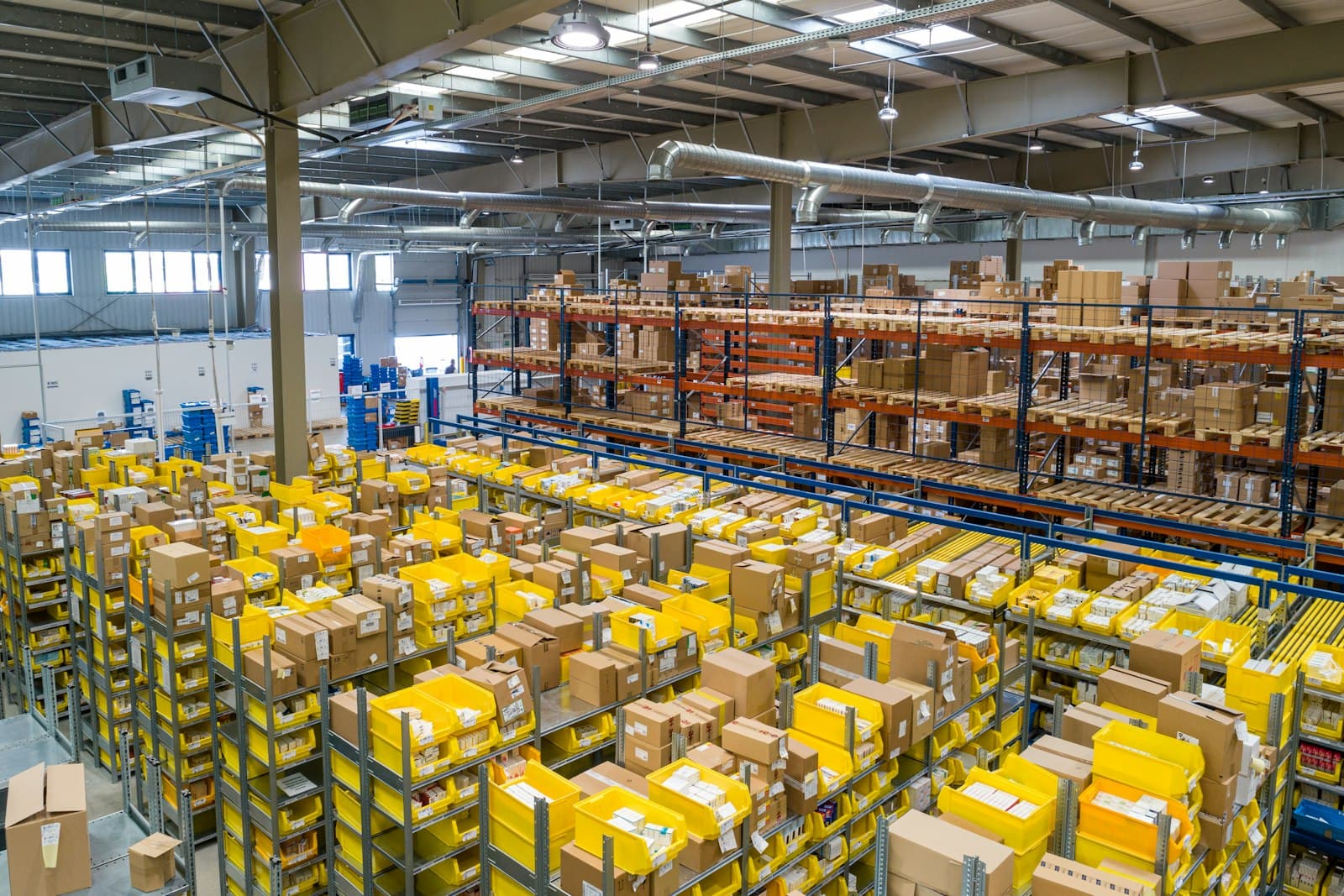
The global trade of heavy machinery is a complex dance of logistics, regulations, and timing. Recent years have shown that even the most established supply chains can be vulnerable to external shocks. Building resilience is now the top priority for international general trading companies.
Diversifying Sourcing and Logistical Routes
Over-reliance on a single manufacturing hub or transit route is a risk that modern traders can no longer afford. Strategic companies are now diversifying their supplier base across multiple continents and investing in alternative logistical corridors. This ensures that even if one region faces disruptions, the flow of essential agricultural equipment remains steady.
The Digitalization of Global Trade
Blockchain and digital document tracking are streamlining the "red tape" of international shipping. By digitizing bills of lading and certificates of origin, we reduce the time machinery spends in ports and minimize the risk of human error. Transparency in the supply chain is no longer a luxury; it's a competitive necessity.
"Resilience is not just about surviving a crisis; it's about building a system that can adapt to any change in the global market landscape."
Proactive Maintenance and Spare Parts Availability
Part of supply chain resilience is ensuring that once machinery is delivered, it stays operational. Establishing regional spare parts hubs and leveraging 3D printing for on-demand parts are becoming key strategies in our network to support our end-users globally.